Why 2026’s Top AI Tools Are All About Automating Your Work
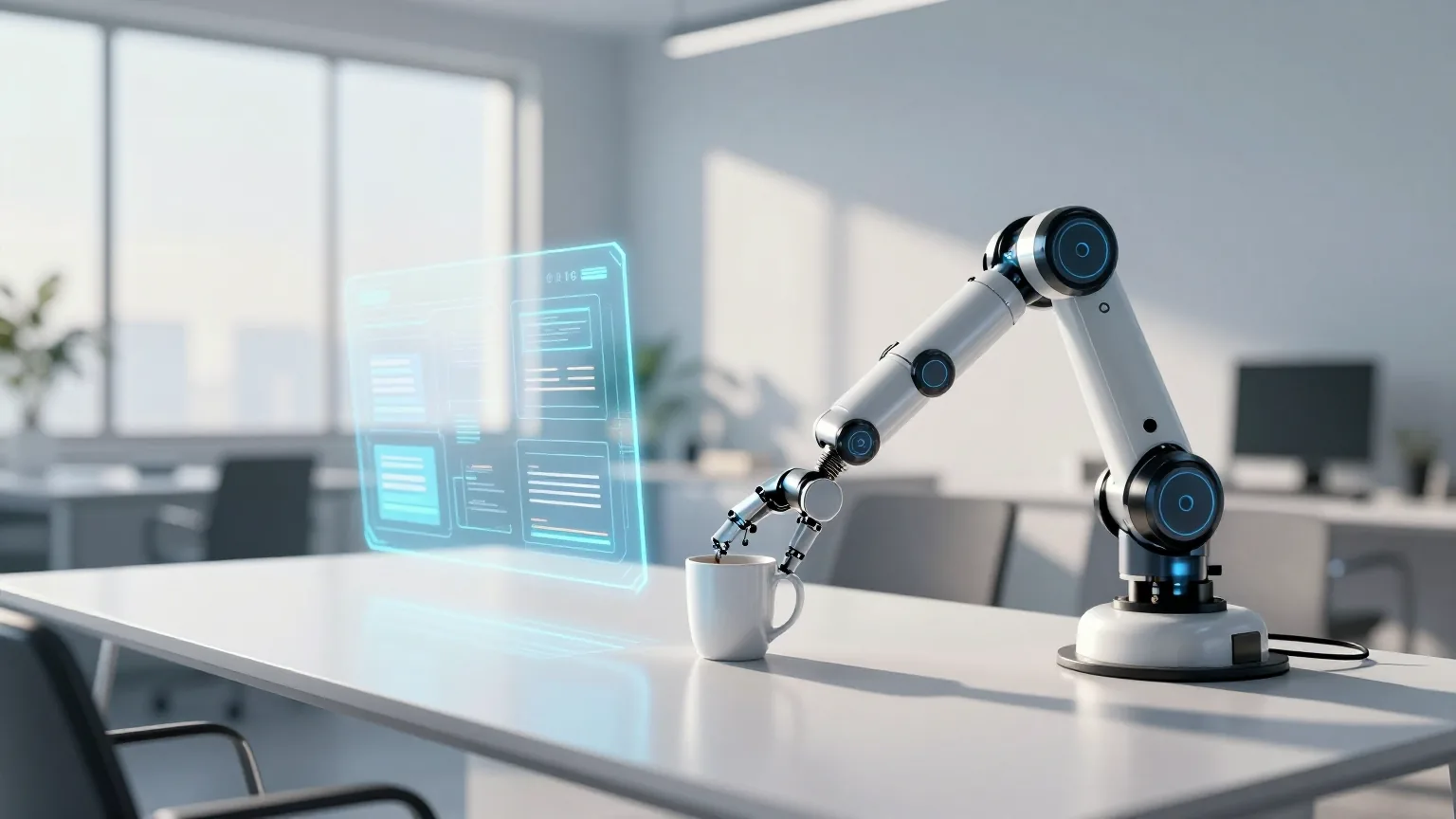
Goodbye, Busywork: Why 2026’s Top AI Tools Are All About Automating Your Work
Remember when the promise of Artificial Intelligence was primarily about answering trivia questions or generating photorealistic images of cats wearing hats? Those were the early days, the "toy era" of AI. But as we stand in the fourth quarter of 2026, the landscape has shifted dramatically. The shiny new features are no longer just about creativity; they are about efficiency, integration, and, most importantly, automation. If you haven’t noticed, the tools dominating your digital workspace aren’t just thinking; they are doing.
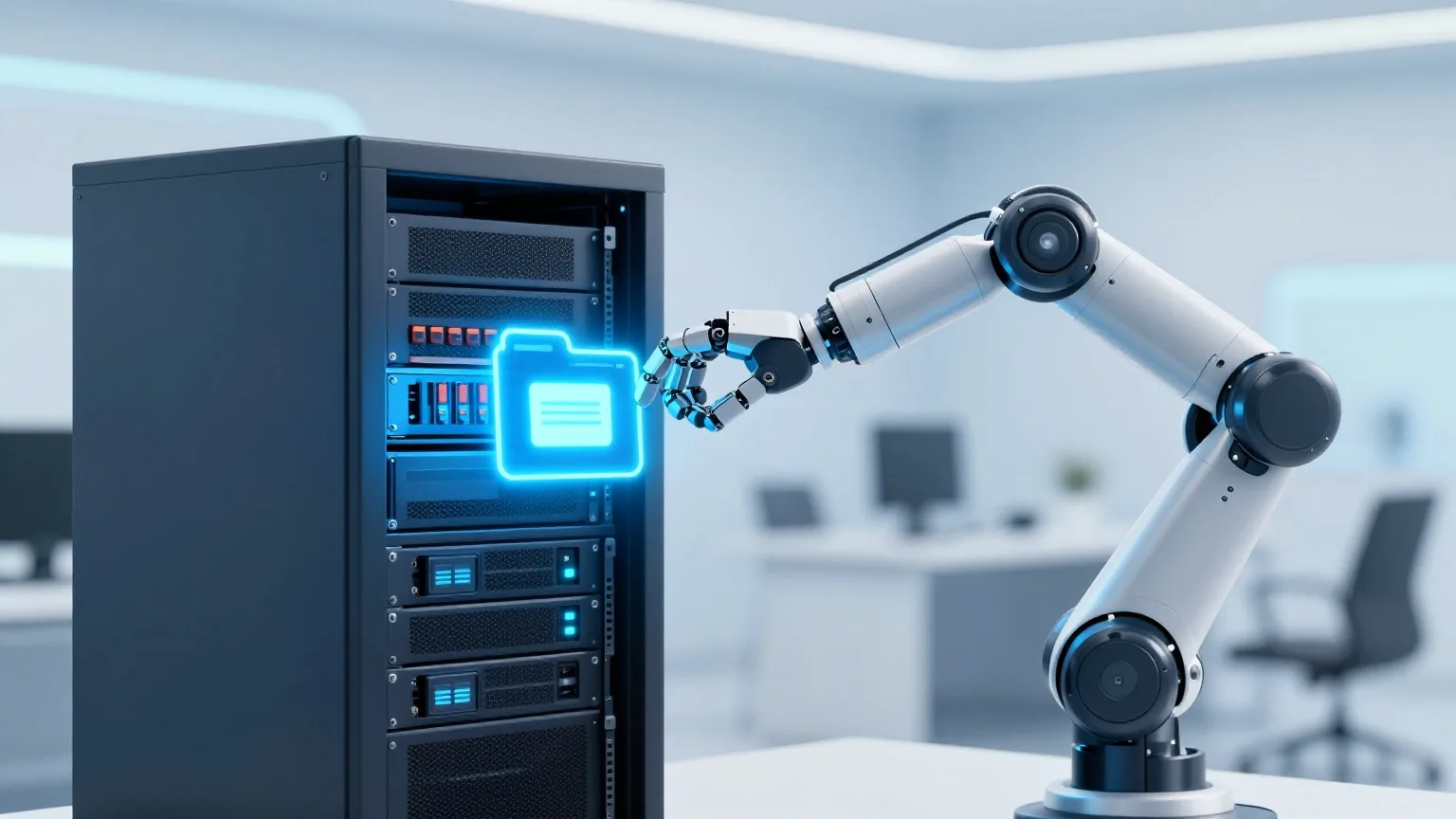
The conversation has moved from "What can AI write for me?" to "What can AI do for me while I sleep?" This is the defining characteristic of 2026’s top-tier AI tools. They are no longer passive assistants waiting for a prompt; they are active agents that automate workflows, connect disparate software, and handle the repetitive drudgery that has long plagued the modern knowledge worker. Let’s dive into why this shift is happening, which tools are leading the charge, and what it means for the future of work.
The Shift from Generation to Action
To understand the current state of AI, we have to look at where we’ve been. For years, the primary value proposition of large language models (LLMs) was text generation. You asked, it answered. Simple, effective, but limited. However, the trajectory of research and deployment has always pointed toward a more ambitious goal. OpenAI, for instance, has long articulated a vision that their research will eventually lead to artificial general intelligence, a system that can solve human-level problems [1]. While we are not yet at the threshold of true AGI, the 2026 tools represent the bridge between narrow AI and this broader capability. They are "agentic," meaning they can plan, execute, and verify tasks across multiple platforms without constant human intervention.
This shift is crucial. In the past, if you wanted to update a spreadsheet, send an email, and book a meeting, you had to do all three steps yourself, perhaps using AI to draft the email body. Today, the top tools can interpret a high-level instruction like "Update the Q3 sales report, notify the team of the changes, and schedule a review for next Tuesday," and then execute the entire sequence. This is the essence of automation in 2026: the AI doesn’t just provide the content; it provides the outcome.
The 2026 Landscape: Who’s in the Lead?
So, which tools have embraced this agentic, automated paradigm? Recent rankings from industry analysts provide a clear picture. According to DataNorth AI, the best AI tools for 2026, as of October, include a diverse mix of general assistants and specialized automation platforms. The top contenders include ChatGPT, Claude, Microsoft 365 Copilot, Google Gemini, Cursor, Perplexity, n8n, ElevenLabs, Gemini Notebook, and HeyGen [2].
Notice the mix here. You have the heavy hitters like ChatGPT and Claude, which have evolved from chatbots into powerful reasoning engines. You have enterprise integrations like Microsoft 365 Copilot, which lives inside the software you already use. But you also see specialized tools like n8n and Cursor. This indicates that the "top" tools are no longer just about general conversation; they are about specific, high-value automation tasks. Whether it’s coding, video generation, or workflow orchestration, the 2026 leaders are defined by their ability to reduce human effort in specific domains.
Workflow Orchestration: The Rise of n8n and No-Code AI
One of the most significant trends in 2026 is the rise of visual workflow automation tools that integrate deeply with AI. n8n, which appears in the top rankings [2], is a prime example. In previous years, connecting an AI model to your CRM, your email, and your project management tool required significant coding knowledge. In 2026, this is becoming a drag-and-drop experience.
Imagine a scenario where a new lead signs up for your service. In the old world, you’d get an email notification. In the 2026 automated world, an n8n workflow triggers an AI agent. The agent analyzes the lead’s profile, determines their company size, drafts a personalized welcome email based on their industry, schedules a follow-up call, and updates the CRM—all before you’ve finished your coffee. This level of orchestration is what separates the "best" tools of 2026 from the "good" tools of 2024. It’s not just about the AI’s intelligence; it’s about its connectivity.
This trend reflects a broader cultural shift in software development. We are moving away from building monolithic applications and toward composable systems where AI agents act as the glue between different services. Tools like n8n are democratizing this capability, allowing non-developers to build complex automated pipelines that would have required a dedicated engineering team just two years ago.
The Enterprise Standard: Microsoft 365 Copilot and Google Gemini
For the majority of the corporate world, the "top" AI tool is the one already embedded in their daily stack. Microsoft 365 Copilot and Google Gemini have become the default automation layers for office work [2]. Their strength lies not in raw creative power, but in context. Because they live inside Outlook, Word, Excel, and Drive, they have access to the context of your work. They know who you’re emailing, what data is in your spreadsheets, and what documents you’re collaborating on.
This contextual awareness allows for a new type of automation: proactive assistance. Copilot doesn’t just wait for you to ask, "Summarize this email." It can suggest, "Here is a draft reply based on our previous meeting notes and the client’s latest feedback." This is automation that feels invisible. It’s not a separate app you have to open; it’s a layer of intelligence woven into the fabric of the productivity suite. For businesses, this reduces friction and adoption barriers, making AI-driven automation a standard operating procedure rather than a niche experiment.
Code Automation: Cursor and the End of Manual Debugging
If there is one profession that has been transformed by AI automation more than any other, it is software engineering. In 2026, tools like Cursor have moved beyond simple code completion. They are full-fledged automated development partners [2]. Cursor doesn’t just suggest the next line of code; it understands the entire codebase. It can refactor legacy code, identify security vulnerabilities, and even write tests automatically.
The impact on productivity is staggering. Developers report spending less time on boilerplate code and debugging, and more time on architecture and problem-solving. This is a classic example of "Augmented Intelligence." The AI handles the repetitive, syntactic aspects of coding, while the human focuses on the strategic, semantic aspects. For teams, this means faster iteration cycles and fewer bugs in production. It’s not about replacing developers; it’s about removing the mundane tasks that slow them down. In 2026, if you’re writing code without an AI automation partner, you’re working against the grain of the industry.
Research and Synthesis: Perplexity and Gemini Notebook

Knowledge work is increasingly about finding the right information in a sea of noise. Tools like Perplexity and Gemini Notebook have automated the research process [2]. In the past, researching a topic meant opening ten browser tabs, skimming articles, and manually copying notes into a document. Now, these tools automate the synthesis of information.
Perplexity, for instance, doesn’t just give you a list of links; it reads the sources and generates a cited answer. Gemini Notebook goes a step further by acting as a research assistant that can organize your notes, highlight key themes, and even suggest questions you haven’t thought to ask. This automation of intellectual labor is profound. It allows professionals to move from information gatherers to information synthesizers. The time spent "digging" for data is replaced by time spent "analyzing" it. This shift is critical in fields like law, finance, and marketing, where the ability to quickly synthesize large amounts of data into actionable insights is a competitive advantage.
Content Creation at Scale: HeyGen and ElevenLabs
Automation isn’t limited to text and code. In the realm of media and communication, tools like HeyGen and ElevenLabs have automated the creation of video and audio content [2]. HeyGen allows users to create realistic video avatars that can speak in multiple languages, effectively automating the localization of video content. Imagine a marketing team in New York launching a campaign that is instantly translated and "spoken" in Japanese, French, and Spanish, all generated by AI avatars that look and sound human.
ElevenLabs, meanwhile, has automated high-quality voice generation. Podcasters, audiobook publishers, and corporate trainers can now generate lifelike narration without hiring expensive voice actors or recording in a studio. This doesn’t mean humans are out of a job; rather, it means the cost of entry for high-quality media production has dropped to near zero. For small businesses and creators, this is a game-changer. They can now compete with large corporations in terms of production value, not by working harder, but by automating the creative pipeline.
The Historical Context: From Automation to Augmentation
To appreciate the significance of 2026, we must look back at the history of automation. The Industrial Revolution was about automating physical labor. The Information Revolution was about automating data processing. The AI Revolution, as we are experiencing it in 2026, is about automating cognitive labor. This is a fundamental shift. For the first time in history, the tasks that required human intelligence—reading, writing, coding, analyzing—are being automated.
However, there is a crucial distinction between the automation of the past and the automation of 2026. Previous automation replaced humans with machines for repetitive, predictable tasks. AI automation is different because it handles unstructured, complex tasks. It doesn’t just do the same thing over and over; it adapts, learns, and decides. This is why the term "Augmented Intelligence" is more accurate than "Artificial Intelligence" in a business context. The goal isn’t to remove the human from the loop, but to elevate the human to a higher level of work. We are moving from doing the work to directing the work.
Challenges and Considerations: The Human in the Loop
While the benefits of AI automation are clear, they are not without challenges. The primary concern is reliability. In 2026, AI tools are incredibly good, but they are not perfect. They can make mistakes, hallucinate facts, or misinterpret context. This is why the "human in the loop" remains essential. Automation should not be blind. It requires oversight, verification, and ethical consideration.
Furthermore, there are privacy and security concerns. When you allow an AI tool to automate your work, you are giving it access to sensitive data. You are trusting it to handle your emails, your code, and your financial data. This requires robust security measures and clear data governance policies. Companies must be careful about which tools they integrate and how much data they share. The 2026 landscape is full of powerful tools, but power comes with responsibility. Organizations must establish clear guidelines for AI use to ensure that automation enhances productivity without compromising security or ethics.
Future Outlook: Toward Artificial General Intelligence
As we look beyond 2026, the trajectory is clear. The tools we use today are just the beginning. As OpenAI and other researchers continue to push toward artificial general intelligence [1], we can expect even more sophisticated automation. We will see AI agents that can manage entire departments, negotiate contracts, and make strategic decisions with minimal human input. The line between human and machine labor will continue to blur.
This raises an important question: What will humans do? The answer is likely that we will focus on the things that AI cannot do: empathy, creativity, ethical judgment, and complex strategic thinking. The role of the worker will shift from "doer" to "director." We will become managers of AI agents, overseeing their work and providing the strategic vision. This is a significant cultural and professional shift, and it will require new skills, new education, and new mindsets.
Conclusion: Embrace the Automation
The top AI tools of 2026 are not just software; they are a new way of working. They are about automating the mundane, augmenting the human, and accelerating the pace of innovation. Whether you are a developer using Cursor, a marketer using HeyGen, or an executive using Microsoft 365 Copilot, the message is the same: let the AI do the work, so you can do the thinking.
The tools are here. The rankings are clear [2][4]. The potential is immense. The only question is: Are you ready to automate? Don’t wait for the perfect tool. Start with one. Automate one task. See how it feels to have a digital assistant that doesn’t need a break, doesn’t get bored, and doesn’t make typos. The future of work is not about working harder; it’s about working smarter. And in 2026, the smartest way to work is with AI automation by your side.
So, take a look at your workflow. What’s the most repetitive task you do every day? Can you automate it? The tools are there. The time is now.