From Chatbots to Agents: The 2026 AI Shift
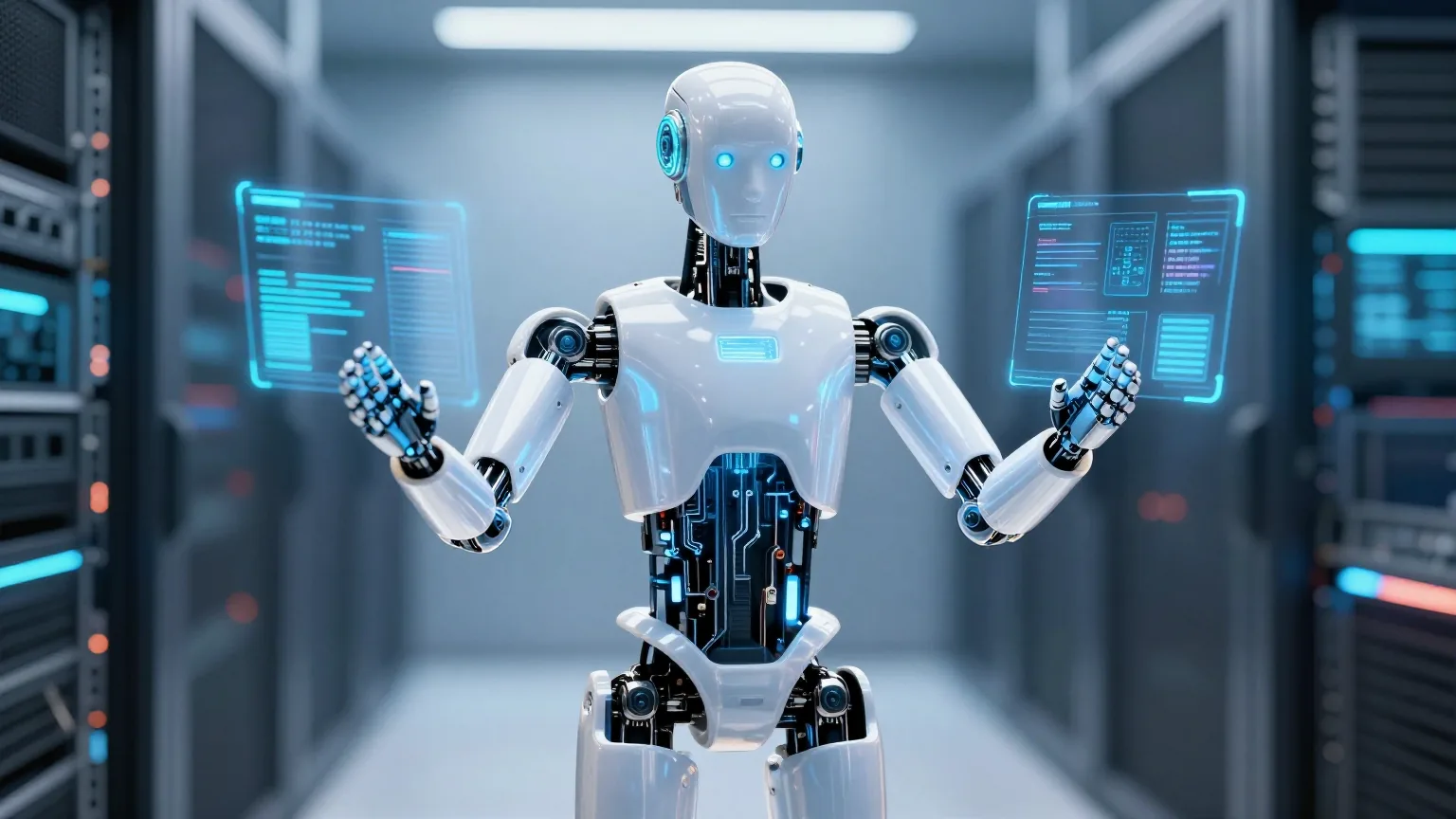
From Chatbots to Agents: The 2026 AI Shift
Remember the days when the ultimate flex in software development was having a chatbot that could actually understand sarcasm? Or when the biggest breakthrough in AI was a model that didn’t hallucinate that the Eiffel Tower was located in Paris, France, but rather in a fictional city called "Parisville"?
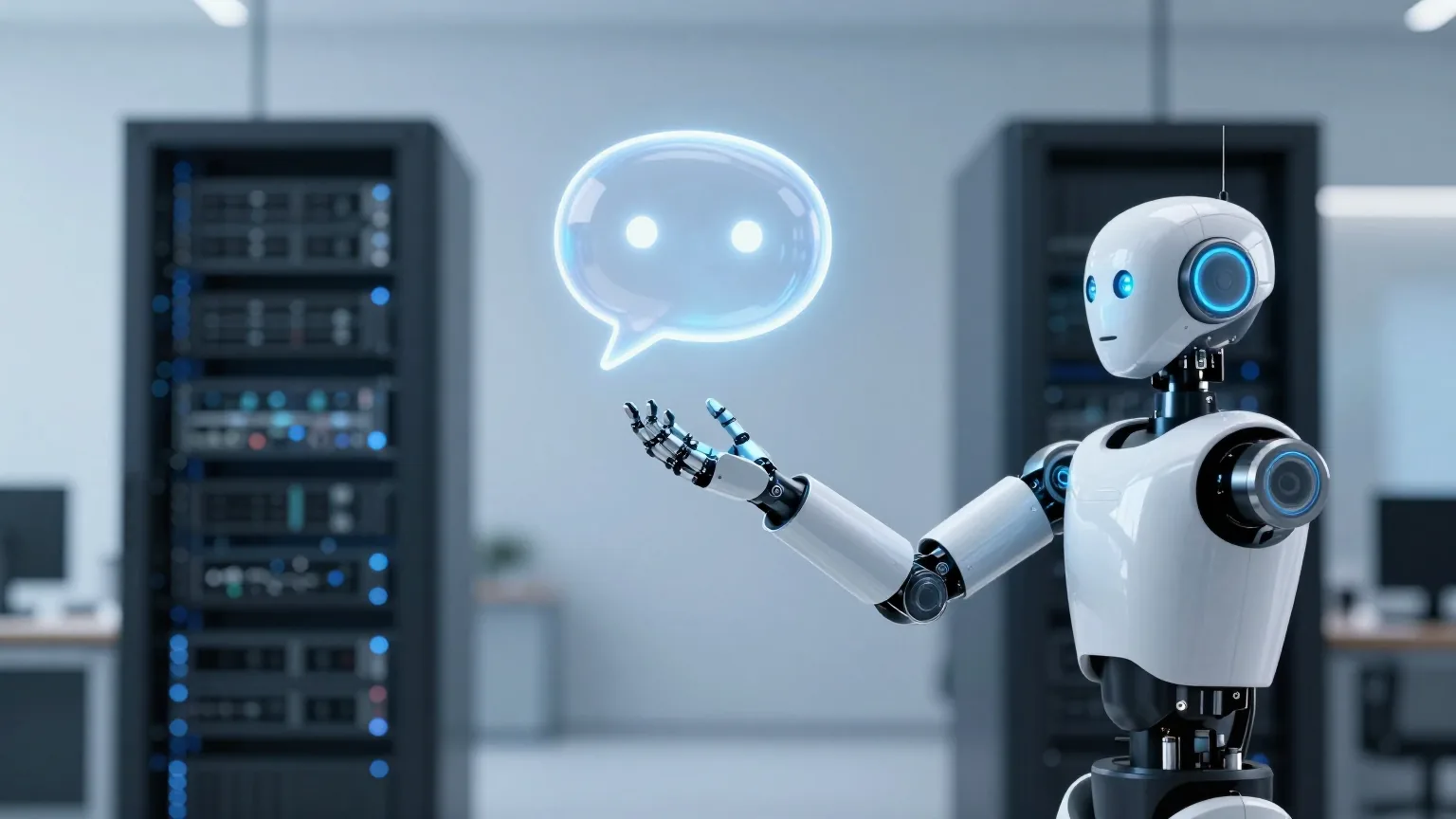
Those days are officially over. As we stand in the middle of 2026, the artificial intelligence landscape has undergone a transformation so profound that it feels less like an update and more like a speciation event. The conversation has moved far beyond "Can it talk?" to "Can it do?"
We are no longer in the era of the passive assistant. We are in the era of the active agent. This shift represents the most significant leap in human-computer interaction since the invention of the graphical user interface. It is a move from AI as a tool you use to AI as a partner that works alongside you, and sometimes, ahead of you.
In this post, we’re going to unpack what this "agent shift" actually means, why it’s happening now, and how it’s reshaping the tools you use every day. Buckle up; the future is faster, smarter, and much less chatty than you might expect.
The Death of the Simple Chat Interface
For the first few years of the generative AI boom, the interface was simple: a text box at the bottom of a screen. You typed a prompt; the AI typed a response. It was a digital pen pal. It was a search engine with a personality. But it was fundamentally reactive.
By 2026, that model is obsolete for serious professional work. The dominant trend in the AI tools landscape is the shift from simple chat interfaces to autonomous agents capable of executing complex tasks [2]. This isn’t just a marketing term. An "agent" is an AI system that has been given a goal and the autonomy to break that goal down into steps, execute those steps using various tools, and verify its own work before presenting a final result.
Think of it this way: A chatbot is like a waiter who takes your order and brings it to the table. An agent is like a sous chef who takes the meal specification, goes to the pantry, checks the inventory, preps the vegetables, cooks the protein, plates the dish, and tastes it to ensure it’s seasoned correctly before bringing it to you. The waiter waits; the chef works.
This distinction is crucial. It changes the relationship from a dialogue to a delegation. You don’t talk to the agent; you assign it a mission. And that mission can involve browsing the web, writing code, querying databases, and sending emails—all without you clicking "send" after every single step.
Reasoning Before Responding: The Hallucination Cure
If you’ve used AI tools in the past, you’ve likely encountered the "hallucination" problem. The AI sounds confident, but it’s wrong. It invents facts, cites non-existent papers, or writes code that looks right but crashes upon execution. This was a major barrier to enterprise adoption.
The 2026 solution is "reasoning models." These are AI architectures that have been trained to "think" before they respond [2]. Instead of predicting the next word in a sentence based on probability alone, these models engage in a chain of thought. They pause, analyze the problem, break it down, check for logical consistency, and then generate the output.
The results are staggering. According to OpenAI’s benchmarks, this approach has reduced hallucination rates by up to 40% [2]. In a professional context, a 40% reduction in factual errors is not just an improvement; it’s a revolution. It means you can trust the output enough to use it in legal briefs, financial reports, and medical research without needing to manually fact-check every single sentence.
This "thinking" process also allows agents to handle ambiguity. If you ask a chatbot, "What’s the best laptop for me?" it might give you a generic list. A reasoning agent will ask clarifying questions, check your current software stack, analyze your budget constraints, and then recommend a specific model, explaining why it fits your unique workflow. It’s the difference between a library card catalog and a librarian who knows you.
Democratization: AI for Everyone (and Everyone’s Grandmother)
Historically, AI has been the domain of data scientists and engineers. If you wanted to build an AI tool, you needed a PhD in machine learning and a server farm that could melt a room. In 2026, that barrier has crumbled.
One of the three dominant trends defining the current landscape is the democratization of AI through low-code and no-code platforms [2]. This means that marketing managers, small business owners, and even hobbyists can build sophisticated AI agents without writing a single line of Python.
Imagine a local bakery owner who wants to automate their social media presence. In 2020, they might have hired a developer to build a basic bot. In 2026, they can use a drag-and-drop interface to create an agent that monitors their inventory, posts photos of fresh bread when it’s out of the oven, responds to customer reviews, and even adjusts their delivery routes based on real-time traffic data. They didn’t write code; they defined the rules. The AI handled the execution.
This democratization is driving a massive wave of innovation from the "bottom up." We are seeing small businesses and non-profits leveraging AI tools to compete with much larger entities. The playing field has been leveled, and the speed of iteration has increased exponentially. If you can describe a problem, you can likely build an agent to solve it.
The New Tool Landscape: Beyond the Big Three
When people think of AI tools, they often think of the big, general-purpose models: the ones that can write poetry, code, and answer trivia questions. But the real action in 2026 is happening in the specialized, integrated tools that plug into your existing workflow.
According to recent rankings of the most popular and trending AI tools, the market is diverse and fragmented [4]. There are over 100 major players, each dominating a specific niche. You have tools that specialize in video generation, others in financial analysis, and others in cybersecurity. The "best" AI tool is no longer a single product; it’s an ecosystem.
For example, a software development team might use one AI tool for code completion, another for automated testing, and a third for project management. These tools communicate with each other, sharing context and data. The integration depth is the new metric for success. A tool that works in isolation is a toy; a tool that integrates seamlessly into your CI/CD pipeline is a workhorse.
This shift towards integration is changing how we think about software. We are moving away from standalone applications and towards "AI-native" workflows. The boundaries between tools are blurring. Your email client is starting to feel like a project management tool. Your code editor is starting to feel like a documentation generator. The lines are getting fuzzy, and that’s a good thing.
Case Study: The Autonomous Code Reviewer
To understand the power of agents, let’s look at a specific example: code review. In the traditional model, a developer writes code, commits it to a repository, and a human reviewer checks it for bugs, style issues, and security vulnerabilities. This process is slow, subjective, and often a bottleneck.
In 2026, many development teams use an AI agent for this task. The agent is triggered automatically when a pull request is opened. It doesn’t just read the code; it understands the context of the entire project. It checks for edge cases, runs simulated tests, and compares the new code against the team’s coding standards.

If it finds a bug, it doesn’t just say "Bug found." It explains why it’s a bug, suggests a fix, and even writes the corrected code for the developer to review. If the code passes, it approves the merge and updates the project documentation automatically. This process, which used to take hours of human time, now takes minutes of machine time. The result is faster deployment, fewer production bugs, and developers who can focus on architecture rather than syntax.
This is a perfect example of the "big picture" benefit mentioned in industry analyses: AI processes the code for us, solves problems independently, and learns from past mistakes, giving us free time to focus on the big-picture issues [1]. The agent handles the details; the human handles the strategy.
The Cultural Shift: From Fear to Trust
Every major technological shift comes with a cultural backlash. When the internet arrived, people feared it would destroy privacy. When smartphones became ubiquitous, people feared they would destroy attention spans. With AI agents, the fear is different. It’s about autonomy.
There is a lingering anxiety that if we give AI the ability to act on our behalf, we might lose control. What if the agent makes a mistake? What if it interprets a goal incorrectly? What if it does something we didn’t intend?
This fear is valid, but it’s also being addressed by the design of these tools. Modern AI agents are built with "guardrails." They have defined limits on what they can do. They require human approval for high-stakes actions, like sending emails or making financial transactions. They are transparent about their reasoning, showing you the steps they took to reach a conclusion.
As we move through 2026, the cultural narrative is shifting from fear to trust. We are learning to trust AI the same way we trust a well-trained intern. We don’t expect them to be perfect, but we expect them to be helpful, transparent, and accountable. We are learning to delegate, not because we don’t care about the outcome, but because we know the agent is doing its best to achieve it.
Historical Context: The Ghost in the Machine
It’s worth stepping back and looking at the history of this shift. The concept of an "autonomous agent" isn’t new. In the 1990s and 2000s, researchers were building "smart agents" that could navigate websites and book flights. These early attempts were limited by the computing power and data available at the time. They were brittle, often failing at the first unexpected hurdle.
The difference today is scale and intelligence. We have access to vast amounts of data, powerful hardware, and models that can understand natural language with near-human nuance. The "ghost in the machine" is no longer a glitch; it’s a feature. We have moved from rule-based systems (if this, then that) to learning-based systems (I’ll figure it out based on what I’ve seen).
This historical context is important because it shows us that we are not starting from scratch. We are building on decades of research in robotics, natural language processing, and reinforcement learning. The 2026 agent is the culmination of a long journey. It is the fruit of a tree that was planted in the 1990s and watered by the data explosion of the 2010s.
The Economic Impact: Productivity vs. Displacement
Let’s talk money. The economic impact of the AI agent shift is profound. On one hand, it’s a massive productivity booster. Companies are using AI agents to automate repetitive tasks, reduce errors, and speed up decision-making. This leads to lower costs and higher profits.
On the other hand, there is the inevitable question of job displacement. Will AI agents take our jobs? The answer is nuanced. AI is unlikely to replace humans entirely, but it is likely to replace specific tasks within jobs. A marketing manager won’t lose their job to an AI, but they might lose their ability to do basic copywriting or data analysis. They will need to upskill to focus on strategy, creativity, and client relationships.
The key to navigating this economic shift is adaptability. The workers who will thrive in the 2026 landscape are those who can work with AI, not against it. They are the ones who understand how to prompt, how to verify, and how to integrate AI into their workflows. They are the "AI-literate" workforce. And they are in high demand.
Ethical Considerations: The Black Box Problem
With great power comes great responsibility, and with autonomous agents comes great ethical complexity. One of the biggest concerns is the "black box" problem. Even with reasoning models, the internal workings of an AI agent can be opaque. If an agent makes a decision, how do we know why it made that decision? Is it biased? Is it fair?
This is a critical area of research and regulation. Governments and organizations are working on standards for AI transparency and accountability. We need to be able to audit AI agents to ensure they are not making discriminatory decisions or violating privacy laws. We need to know that the agent is acting in our best interest, not in the interest of the company that built it.
As users, we also have a role to play. We should be critical of the AI tools we use. We should read the documentation, understand the limitations, and be aware of potential biases. We should not blindly trust the output. We should treat AI as a powerful tool, not an oracle. It’s a partner, not a god.
The Future: Beyond 2026
So, where do we go from here? The trajectory is clear. Agents will become more specialized, more integrated, and more autonomous. We will see the rise of "multi-agent systems," where different AI agents collaborate to solve complex problems. Imagine a team of agents: one for research, one for writing, one for editing, and one for fact-checking, all working together to produce a high-quality report in minutes.
We will also see the emergence of "personal agents," AI companions that manage our daily lives. They will schedule our appointments, order our groceries, and even negotiate our bills. They will know our preferences, our habits, and our goals, and they will act on our behalf in the digital world.
But let’s not forget the human element. No matter how advanced the AI becomes, human creativity, empathy, and judgment will remain essential. AI can generate ideas, but it can’t dream. It can analyze data, but it can’t feel. The future is not about AI replacing humans; it’s about AI augmenting humans. It’s about creating a symbiosis where the strengths of the machine and the strengths of the human are combined to achieve things neither could do alone.
Conclusion: Embrace the Shift
The shift from chatbots to agents is not just a technical upgrade; it’s a paradigm shift. It changes how we work, how we create, and how we interact with technology. It offers us the promise of a more productive, more efficient, and more creative future. But it also comes with challenges: ethical concerns, economic disruptions, and the need for new skills.
The best way to navigate this shift is to embrace it. Don’t be afraid to experiment with AI tools. Don’t be afraid to delegate tasks to agents. Learn how to prompt, how to verify, and how to integrate AI into your workflow. Stay curious, stay critical, and stay human.
The future is here, and it’s an agent. Are you ready to work with it?
Call to Action: What’s one task you’d love to delegate to an AI agent? Share your thoughts in the comments below, or try out one of the top-rated AI tools in 2026 and let us know what you think. The conversation is just getting started.